The key factors keeping your premiums high – and what you can do about it.
Car insurance has never been cheap, but if you’re feeling like yours has gotten even more expensive in recent years… well, you’re not imagining things.
According to the Association of British Insurers (ABI) premiums have risen sharply in the past few years, and while they appear to have stabilised recently, many drivers are seeing higher renewal quotes – even if they’ve never made a claim. So why are costs still so high?
Insurers calculate their prices using dozens of different factors – from your age and postcode to the type of car you drive – and understanding what affects your premium can help you to identify why exactly your costs have increased.
And, potentially, save you a bit of money.
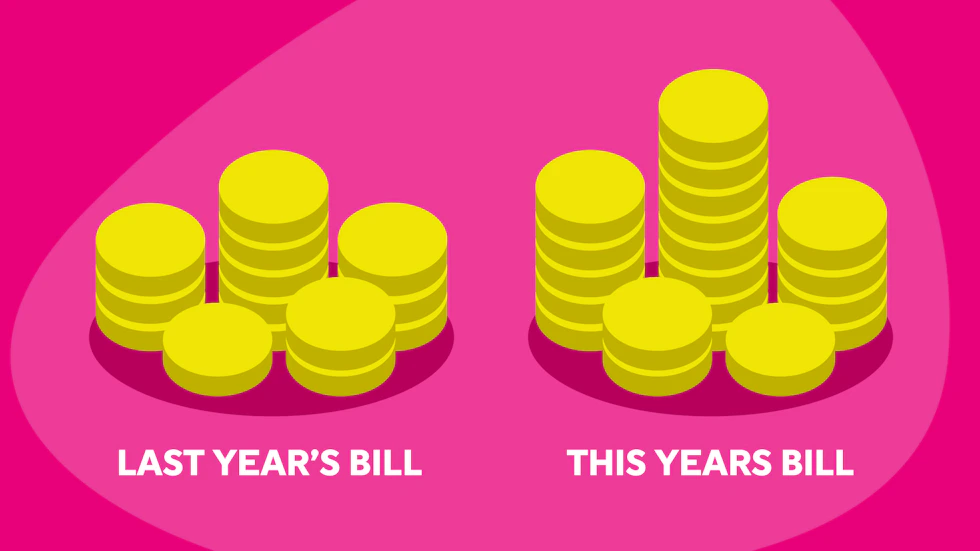
Why has my car insurance gone up?
Assuming you haven’t made any claims, which would remove your no-claims bonus and push up the cost, there are a number of reasons why your insurance premiums might have increased recently.
Insurers take loads of different factors into account when calculating their prices, such as:
- Rising repair costs
- More expensive replacement parts
- Inflation
- Increased claims costs
- Vehicle theft trends
- Changes in the insurance market
Research conducted by the ABI suggests that many of these factors have contributed to higher claims across the industry. Of course, this is by no means an exhaustive list – and there’s not a whole lot you can do about any of them.
But there are also several factors, specifically relating to you as a driver, that insurers take into account.
What factors affect car insurance prices?
When calculating your premium, insurers consider dozens of different factors to assess how likely you are to make a claim. While every insurer uses its own pricing model, the following are some of the biggest influences on the price you’re quoted.
Your age and driving experience
Your age and experience behind the wheel play a major role in determining your premium. As per the Department for Transport, younger and newly qualified drivers are statistically more likely to be involved in accidents, which is why they often pay the highest insurance costs.
As you gain more driving experience and build a claim-free history, insurers generally view you as lower risk, meaning premiums often fall over time. Older, experienced drivers typically benefit from lower prices, although premiums may begin to rise again later in life as insurers account for age-related risk.
Where you live
Believe it or not, your postcode can also have a significant impact on the cost of your insurance.
Insurers consider local crime rates, the likelihood of vehicle theft or vandalism and the number of accidents in your area. Drivers living in busy towns and cities often pay more than those in rural locations, where traffic is lighter and accident rates may be lower.
The car you drive
Of course, some cars are simply more expensive to insure than others. Insurers look at the vehicle’s insurance group, value, performance, repair costs and how attractive it is to thieves.
In general, smaller, lower-powered cars in lower insurance groups are cheaper to insure than high-performance or luxury models.
Your driving history
It may seem obvious, but your previous driving record is a huge factor in calculating your quote. Your history behind the wheel gives insurers an indication of future risk, and any previous claims, motoring convictions or penalty points can increase the cost of your insurance.
Gaps in your insurance history may also affect your quote, as can the number of years you’ve built up without making a claim (although in this case, the impact is usually more beneficial).
Annual mileage
This one comes down to basic maths – put simply, the more you drive, the greater your chance of being involved in an accident. That’s why insurers ask for an estimate of your annual mileage when you request a quote.
Typical mileage bands range from around 5,000 to 20,000 miles or more each year. It’s important to give an accurate estimate too, as deliberately underestimating your mileage could cause problems if you need to make a claim.
The type of cover you choose
Finally, it should go without saying that the level of cover you choose will affect your premium.
Third party insurance is the minimum legal requirement, while third party, fire and theft adds protection if your vehicle is stolen or damaged by fire. Comprehensive cover offers the widest protection, covering damage to your own vehicle as well as others.
You might assume that the more extensive your cover, the more expensive it will be, but comprehensive insurance is often cheaper than third party cover. This is because insurers generally view the people who choose comprehensive as lower-risk drivers.
But which type of cover is right for you? Check out our in-depth guide for more information.

Why is my renewal quote more expensive?
Getting a higher renewal quote can be frustrating, especially if you’re a careful driver with no claims, but as we’ve already discussed, your driving record is only one of the many factors that insurers take into account when calculating your premium.
Wider market conditions play a significant role. The cost of repairing modern vehicles continues to rise due to advancing technology, more expensive parts and higher labour costs, while insurers are also facing higher costs because of an increase in vehicle theft and the overall number of claims they have to deal with.
These rising costs are often passed on to the customer through higher premiums.
How to reduce the cost of your car insurance
While some factors are beyond your control, the good news is that you’re not completely powerless in the face of rising costs. There are plenty of simple ways to help lower the cost of your car insurance.
- Shop around – Never accept your renewal quote without comparing prices. Different insurers assess risk in different ways, so it’s worth checking multiple providers to find the best deal.
- Increase your voluntary excess – Choosing a higher voluntary excess can reduce your premium… but always make sure it’s an amount you could comfortably afford if you needed to make a claim.
- Consider telematics insurance – Also known as black box insurance, telematics policies monitor your driving habits. Safe drivers, particularly younger motorists, can often benefit from lower premiums.
- Pay annually if possible – Paying for your policy upfront is usually cheaper than spreading the cost over monthly instalments, which often include interest. If you can afford it, consider paying for the year in a lump sum and save a bit of cash in the long run.
- Add an experienced named driver – Adding a more experienced driver to your policy can sometimes reduce the premium. But a word of warning – never add someone as the main driver if they actually aren’t. This is known as ‘fronting’ and is considered insurance fraud.
- Park somewhere more secure – Obviously not an option for everyone, but keeping your car in a garage or on a private driveway can reduce the risk of theft or damage, which may result in lower insurance costs.
- Choose a lower insurance group vehicle – If you’re buying a new car, check its insurance group before making a decision. Cars in lower insurance groups are generally cheaper to insure because they’re considered less expensive to repair or replace.
It’s also worth remembering that loyalty doesn’t always pay. While insurers do value existing customers, they also regularly review the types of customers they want to insure, which means their pricing can change from year to year.
That’s why it’s always worth comparing quotes before renewing your policy. You may find a cheaper deal elsewhere or even be able to use a competing quote to negotiate a better price with your current insurer.
Is it worth comparing car insurance quotes?
In almost every case, yes. Car insurance prices can vary significantly between providers, even when you’re looking at the same level of cover.
That’s because, even though insurers all take into account those factors we’ve already touched on – such as your age, driving history, postcode and the type of car you drive – every insurer uses its own pricing model and assesses risk differently. By comparing quotes from multiple insurers, you could find the same level of cover for a much lower price.
Even if you’re happy with your current provider, comparing car insurance quotes from multiple insurers will give you a better idea of what’s available – and could help you save money when it’s time to renew.