Car insurance isn’t just a legal requirement – it’s a financial safety net that can protect you from potentially high costs if something goes wrong.
In the UK, drivers can choose between three main types of car insurance, each offering a different level of cover. While it might be tempting to go for the cheapest option, that doesn’t always mean you’re getting the protection you actually need.
The right policy depends on a few key factors, including the value of your car, how often you drive, and how much risk you’re willing to take on.
Here, we’ll break down each type of cover clearly, so you can decide what level of insurance makes the most sense for you.
The 3 main types of car insurance in the UK
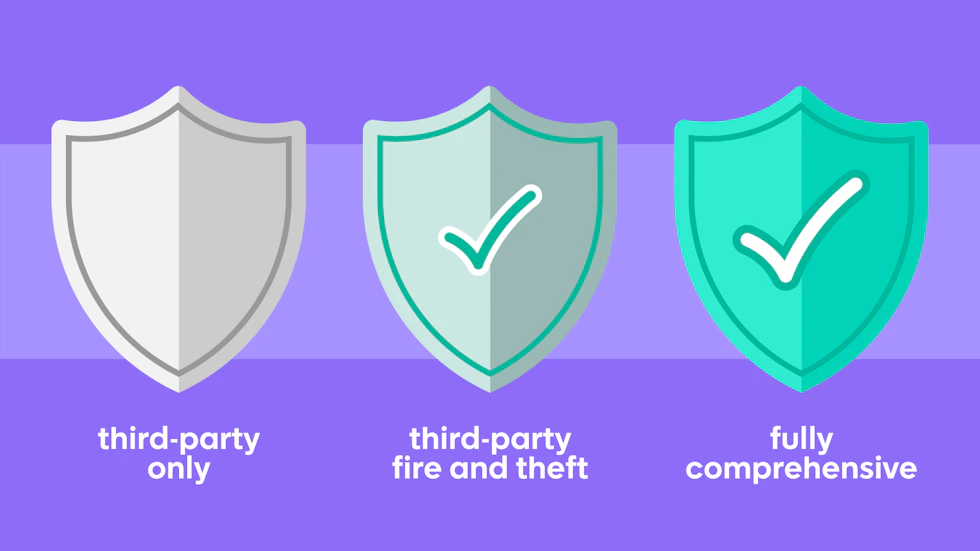
In the UK, car insurance is split into three main levels of cover. Each one offers a different balance between cost and protection, from the legal minimum to more comprehensive policies.
Understanding what each type includes – and just as importantly, what it doesn’t – will help you avoid paying for cover you don’t need, or being caught out if you need to make a claim.
Third-Party Insurance (minimum legal requirement)
All UK drivers must have at least third party insurance by law. Third party insurance is the most basic level of cover you can legally have.
What it covers:
- Damage to other people’s vehicles
- Injury to other drivers, passengers, or pedestrians
- Damage to property (e.g. fences, buildings)
What it doesn’t cover:
- Repairs to your own car
- Theft of your vehicle
- Fire damage
Best for:
- Drivers on a very tight budget
- Cars with low value
Pros:
- Usually the lowest upfront cost
- Meets legal requirements
Cons:
- No protection for your own vehicle
- Can be poor value overall if you need to claim
Third-Party, Fire and Theft
Sitting between basic and fully comprehensive cover, third-party, fire and theft insurance offers everything you’d get with third-party, but with the added protection against fire and theft.
What it includes:
- Everything covered by third party insurance
- Protection if your car is stolen
- Cover if your car is damaged by fire
What it doesn’t cover:
- Damage to your own car in an accident
Best for:
- Drivers who want more protection than basic cover
- Mid-value cars where theft is a concern
Pros:
- Extra peace of mind over third party
- Covers two common risks (fire and theft)
Cons:
- Still doesn’t cover accident damage to your car
- Often not much cheaper than comprehensive
Fully Comprehensive
Fully comprehensive, or more better known simply as comprehensive insurance, offers the highest level of protection.
What it covers:
- Everything included in third party policies
- Damage to your own car, even if the accident is your fault
Often includes extras like:
- Windscreen repair or replacement
- Personal injury cover
- Cover for vandalism
Best for:
- Most drivers
- Newer or higher-value cars
- Anyone who wants full peace of mind
Pros:
- Highest level of protection
- Can offer better overall value
- Covers the most common claims
Cons:
- Higher excess in some cases
- May include features you don’t need
What optional extras can you add to your policy?
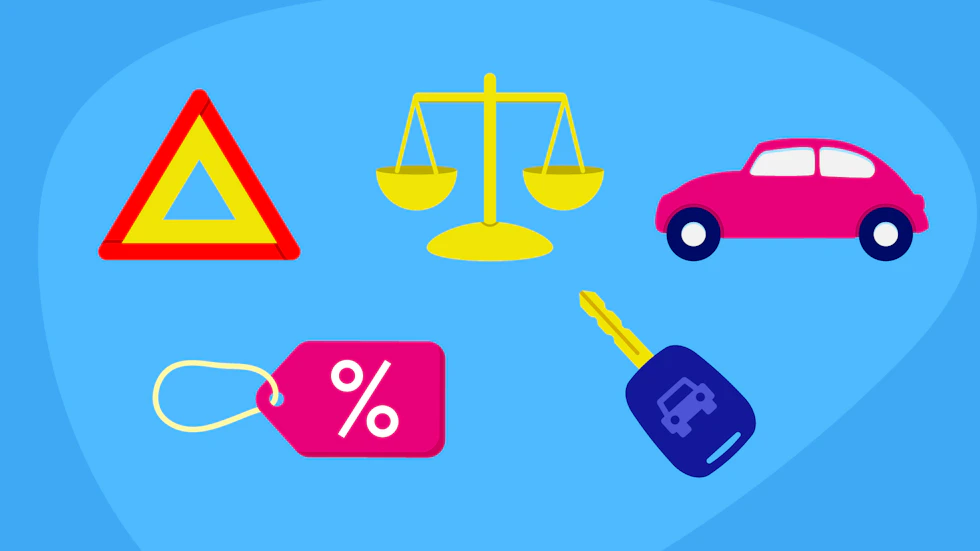
You can customise your policy with optional add-ons. These increase your premium, but can offer valuable protection depending on how you use your car.
Breakdown Cover
Provides roadside assistance if your car breaks down. Depending on the level you choose, it can include roadside repairs, towing to a garage, or even home start and onward travel.
Legal Expenses Cover
Helps cover legal costs if you’re involved in an accident that wasn’t your fault. This can include solicitor fees and expenses when claiming compensation for injury or uninsured losses.
Courtesy Car
Gives you a temporary replacement vehicle while your car is being repaired after an insured incident. The type of car provided can vary depending on your policy.
No-Claims Discount Protection
Allows you to make a limited number of claims without losing your no-claims discount. This can help keep your future premiums lower, although your price may still increase after a claim.
Key Cover
Covers the cost of repairing or replacing lost, stolen, or damaged car keys. This can be especially useful for modern keys, which can be expensive to replace and reprogram.
Is comprehensive insurance always the best choice?
Not always, but often comprehensive cover is the better option.
Comprehensive cover is worth it if:
- Your car would be expensive to repair or replace
- You rely on your car daily
- You want fewer financial risks after an accident
It might not be necessary if:
- Your car is worth very little
- You could afford to replace it yourself
That said, it’s always worth comparing quotes – you might find comprehensive cover costs less than expected.
Which type of car insurance is right for you?

The right type of car insurance depends on your situation. If your car is low value, you’ll likely find that third-party may seem like enough. But even still, don’t overlook the negatives as it could end up leaving you paying out of pocket.
For a mid-range-value car, third-party, fire and theft offers a good balance between the basics of what you need while keeping you protected from outside forces.
For full protection and peace of mind, comprehensive is the safest choice. In many cases, comprehensive cover offers the best mix of price and protection, even if it sounds like the most expensive option.
Key things to consider before choosing
Before you pick a policy, check the details carefully:
- Excess: What you’ll pay towards a claim
- Exclusions: Situations where you won’t be covered
- Mileage limits: Some policies restrict how far you can drive
- Parking location: Where you keep your car overnight affects price
- Driver profile: Age, experience, and history all matter
These factors can have as much impact as the type of cover you choose.
Genius tip: Carefully consider all options but really explore your comprehensive policy options. They are often cheaper than lower levels of cover because insurers see these drivers as lower risk.