With more people switching to streaming services like Netflix, YouTube and Disney+, it’s easy to assume TV licences are becoming outdated. But the rules haven’t disappeared.
In 2026, whether you need a TV licence still depends on how you watch content – so it’s worth understanding exactly where you stand.
What is a TV licence?
A TV licence is a legal requirement in the UK that allows you to watch or record live television and use BBC iPlayer. It applies to any device, including TVs, laptops, tablets and smartphones, and covers your entire household under one licence.
The fee is used primarily to fund the BBC, supporting its TV channels, radio stations and online services.
Importantly, the licence isn’t tied to a specific TV or platform – it’s based on how you watch content. If your viewing habits fall within certain categories, you’re required by law to have one, regardless of the device you use.
Why do TV licences exist?
TV licences exist to fund public service broadcasting, particularly the BBC. This funding model allows the BBC to operate without advertising, which helps it provide a wide range of content – from news and documentaries to entertainment and children’s programming.
The idea is to ensure that high-quality, impartial content is available to everyone in the UK, regardless of income or subscription status. It also supports services that might not be commercially viable but are considered important, such as educational programmes and regional news.
By charging households directly, the system aims to keep the BBC independent from both government influence and commercial pressures, although this model has become increasingly debated in recent years.
Do you still need a TV licence in 2026?
Yes, in many cases, you still need a TV licence in 2026. The legal requirements remain in place, and there haven’t been any major changes to the core rules.
If you watch live TV in any form – whether through traditional broadcast channels or via streaming services – you are still legally required to have a licence. The same applies if you use BBC iPlayer for any purpose, including catch-up.
However, if your viewing is limited strictly to on-demand streaming services that don’t include live content, you may not need one. This has become increasingly common as more households move away from traditional TV.
Ultimately, the need for a TV licence hasn’t disappeared, it just depends more than ever on how you choose to watch content.
What requires a TV licence?
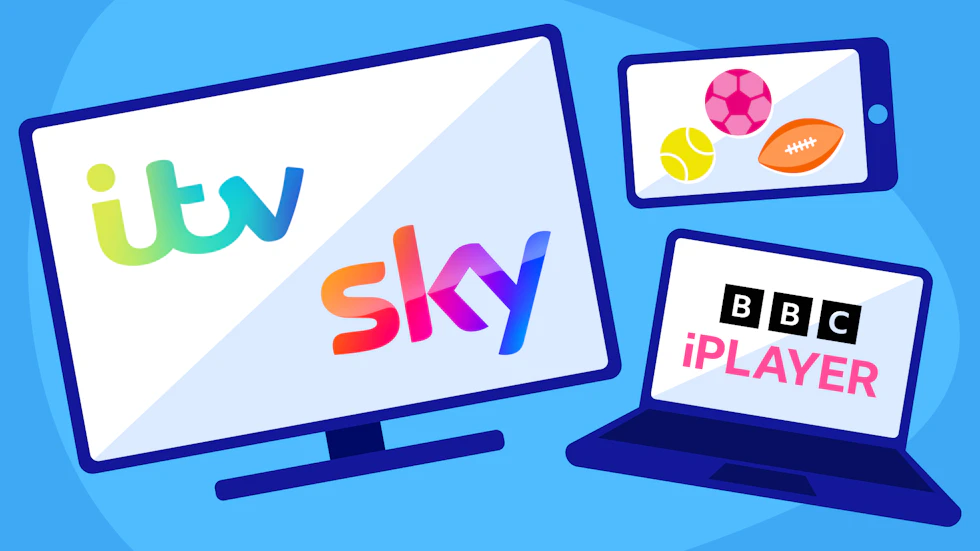
In 2026, the rules around when you need a TV licence are still quite specific—and they haven’t changed much despite the rise of streaming.
You need a TV licence if you:
- Watch or record live TV on any channel, whether it’s BBC, ITV, Channel 4, Sky or others
- Watch live content on streaming platforms, such as live sports or events on services like Amazon Prime Video or YouTube
- Use BBC iPlayer, including both live broadcasts and catch-up content
You don’t need a TV licence if you only:
- Watch on-demand content on platforms like Netflix, Disney+ or Prime Video (as long as it’s not live)
- Watch videos on YouTube that aren’t live streams
- Use catch-up services like ITVX, All 4 or My5 (excluding BBC iPlayer)
The key distinction is whether the content is live or from the BBC. If it’s live, or it’s BBC iPlayer, a licence is required.
Common misconceptions
There are several common misunderstandings about TV licences, especially as viewing habits evolve.
One of the biggest myths is that you don’t need a licence if you don’t watch the BBC. In reality, you still need one if you watch live TV on any channel, not just BBC content.
Another misconception is that watching on a laptop, tablet or phone means you’re exempt. This isn’t true – devices don’t matter. The rules apply based on what you watch, not how you watch it.
Some people also believe that all streaming is licence-free. While this is partly true for on-demand services like Netflix, it doesn’t apply if you’re watching live streams, such as live sports or events.
Understanding these distinctions is important, as getting it wrong could mean unknowingly breaking the law.
How streaming has changed TV licensing
Streaming has significantly changed how people consume content, and this has had a knock-on effect on TV licensing.
In the past, most households watched live TV as their primary source of entertainment, making a TV licence almost universal. Today, many people rely entirely on on-demand platforms, which has created a growing number of households that don’t need a licence at all.
This shift has made the rules feel less intuitive. Instead of a simple “own a TV = need a licence” model, it now depends on viewing behaviour, which can vary widely between households.
Streaming has also blurred the lines, especially with platforms offering both live and on-demand content. As a result, people need to be more aware of exactly what they’re watching and when.
What’s the future of the TV licence?
The future of the TV licence is uncertain, particularly as viewing habits continue to evolve.
There have been ongoing discussions about whether the current system is still fit for purpose in a streaming-first world. Some proposals suggest replacing the licence fee with a subscription model, while others have considered funding the BBC through general taxation.
The UK government has also reviewed the licence fee model in recent years, with debates focusing on its fairness and long-term sustainability. Any major changes are unlikely to happen overnight, but reform is widely expected at some point.
For now, the TV licence remains in place, but its future will likely depend on how well it adapts to modern viewing habits and the continued rise of streaming platforms.